An Honest Look at the Shein App: What You Actually Need to Know
Disclosure: This is an independent review based on real user experience and publicly known information about the Shein mobile app. It is not sponsored or affiliated with Shein.
First Impression: Fast, Heavy, and a Bit Overwhelming
Opening the Shein app for the first time doesn’t feel like browsing a normal shopping app. It feels closer to stepping into an endless digital mall that never really stops loading. It loads fast. Honestly a bit too fast sometimes: like you’re already halfway through scrolling before you even decide what you wanted to look for
What stood out to me personally was how quickly the feed adapts. You tap on a jacket once, and suddenly your entire homepage shifts toward similar styles. It’s convenient, but also a bit intense if you’re someone who just wanted to “quickly check something” and leave.
Catalog Depth and Everyday Shopping Experience
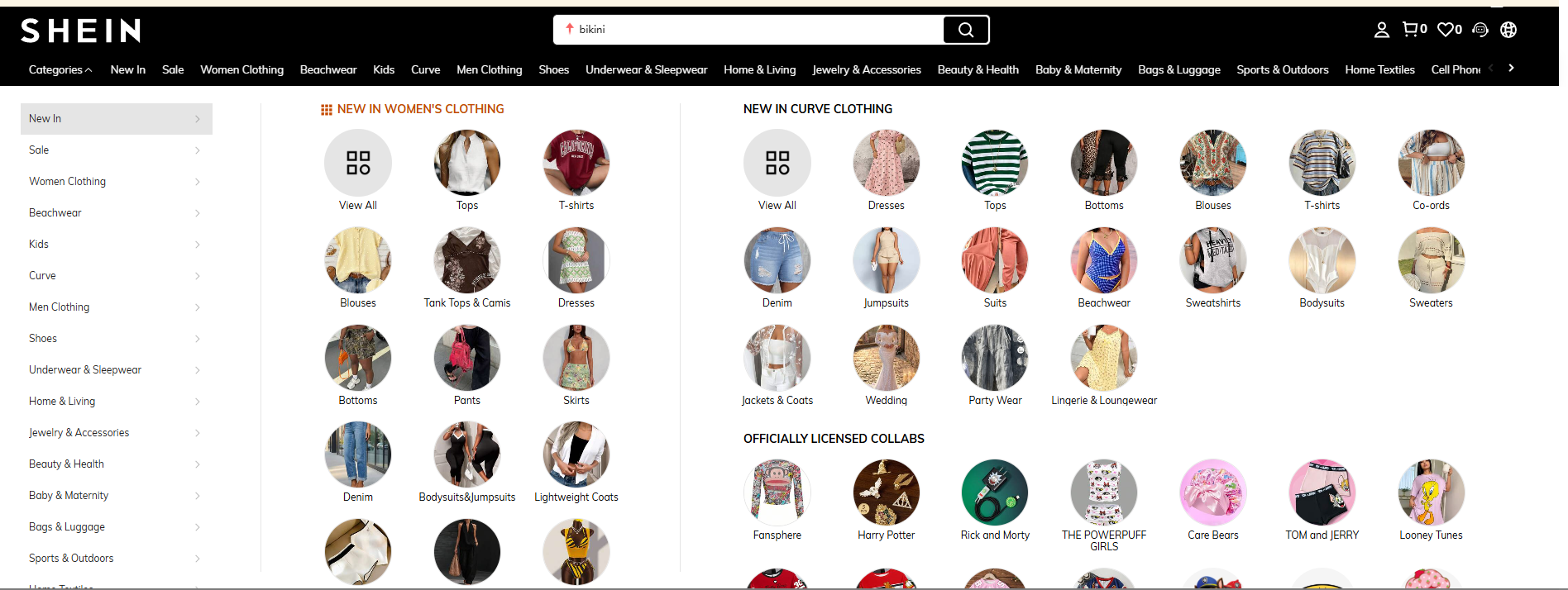
The scale of products inside Shein is honestly hard to ignore. From basic tops to trend-heavy pieces, the app covers an extremely wide range of categories. It’s not unusual to open it for one item and end up browsing far beyond your original intent.
It feels structured in some ways, but also a bit chaotic once you keep scrolling. You’ll find seasonal edits, trending sections, and style-based collections, but there’s always another layer of recommendations underneath. It works well for discovery, though it can easily turn into endless scrolling if you’re not careful.
What Works Well: Accessibility and Variety
One of the strongest aspects of the app is its accessibility. Prices are low enough that experimenting with styles doesn’t feel risky, which is part of why so many users keep returning. You can try different aesthetics without committing a large budget.
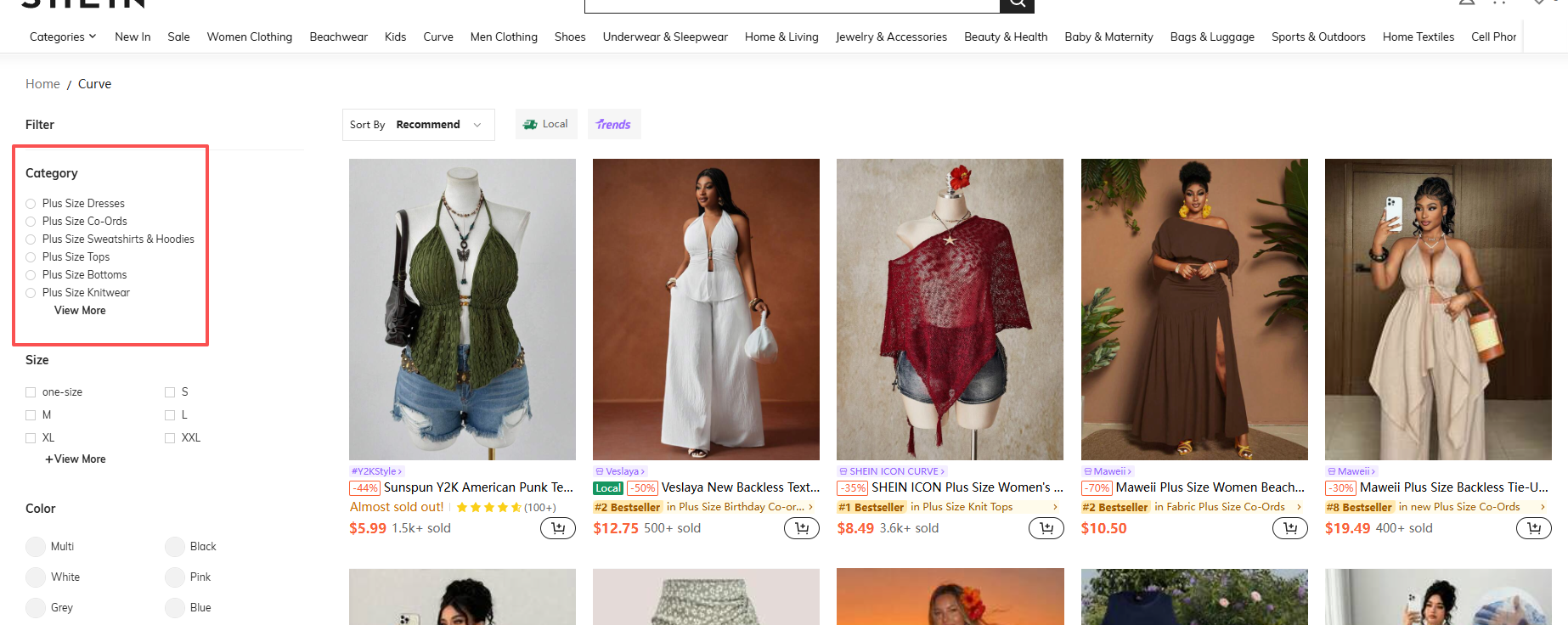
The “Curve” section is also worth mentioning. Instead of separating plus-size fashion in a way that feels disconnected, it’s integrated into the main browsing experience. It’s not perfect in execution, but it does feel more inclusive compared to many traditional fast-fashion platforms.
Another unexpected addition is the beauty category (SheinGlam). It turns the app from a clothing-only platform into something closer to a lifestyle marketplace, where makeup and accessories sit right next to outfits. 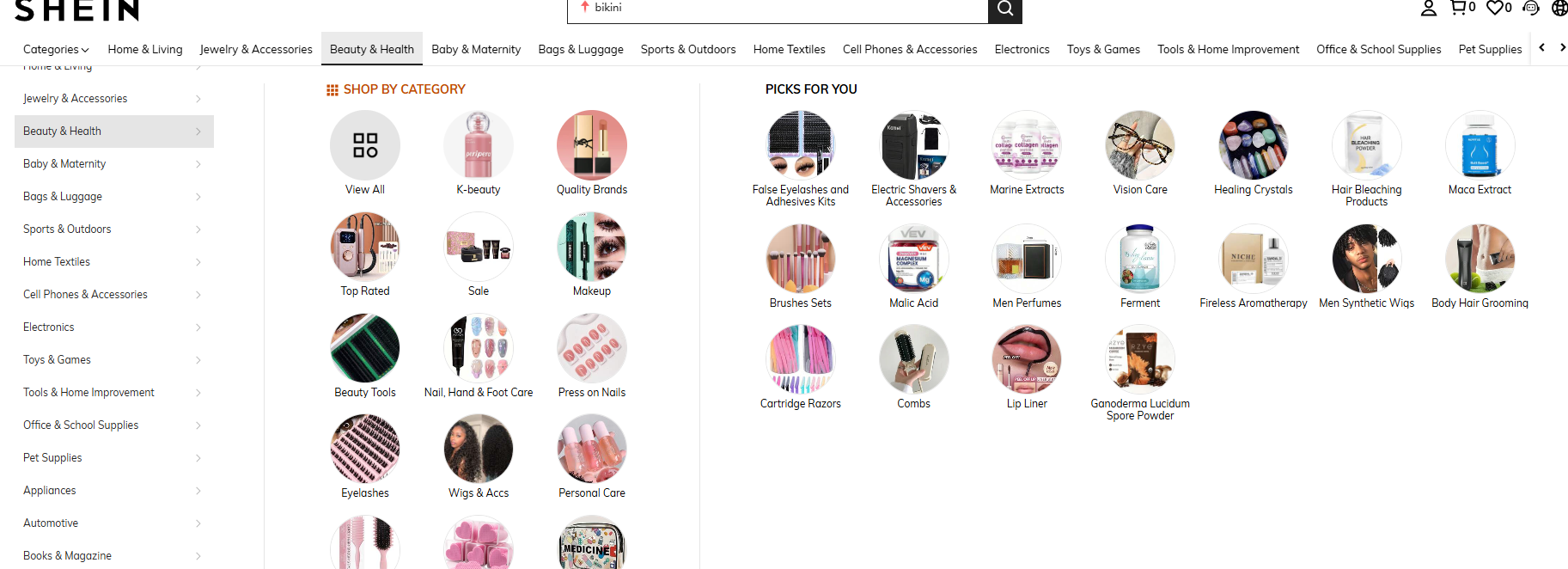
Where the Experience Starts to Fray
Not everything feels smooth once you actually start ordering. Sizing is one of the biggest uncertainties. Even when size charts are detailed, the real fit can vary quite a bit depending on the item and fabric.
Quality consistency is another issue that comes up frequently. Some items match expectations closely, while others feel noticeably different from the product photos. It’s not necessarily surprising given the price point, but it does make shopping feel less predictable.
There are also broader concerns that are hard to ignore. The fast-fashion model itself raises sustainability questions, and Shein has faced ongoing scrutiny around supply chain practices and environmental impact. These concerns don’t really show up inside the app itself, but they’re part of the wider discussion around it.
How the App Keeps You Engaged
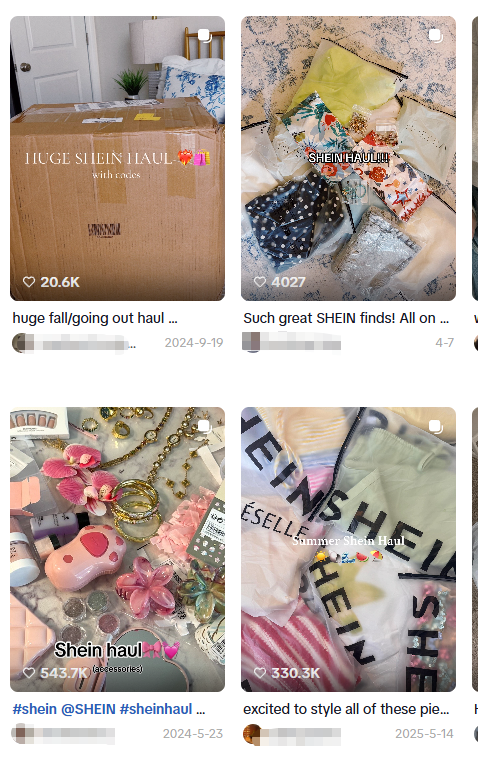
The browsing experience is designed to keep you inside the app longer than you originally planned. Saved items, personalized recommendations, and frequent promotions create a loop where it’s easy to keep coming back.
A big part of its popularity also comes from social media culture. Shein haul videos on TikTok and YouTube often influence how people shop inside the app. Seeing real users unpack large orders builds curiosity and sometimes even urgency to try similar items.
Discount codes and coupons also play a psychological role. The feeling of stacking a Shein coupon at checkout can make the experience feel more rewarding than the purchase itself.
Who the App Actually Makes Sense For
Shein works best for users who are shopping on a budget, exploring trend-based fashion, or simply looking for variety without committing to higher-priced brands. It’s also useful for occasional outfits rather than long-term wardrobe building.
On the other hand, it may not be ideal for users who prioritize long-term durability, highly accurate sizing, or strong sustainability standards. Impulse buyers may also find the browsing experience a bit too engaging over time.
What Real Users Are Saying (App Store & Google Play Feedback)
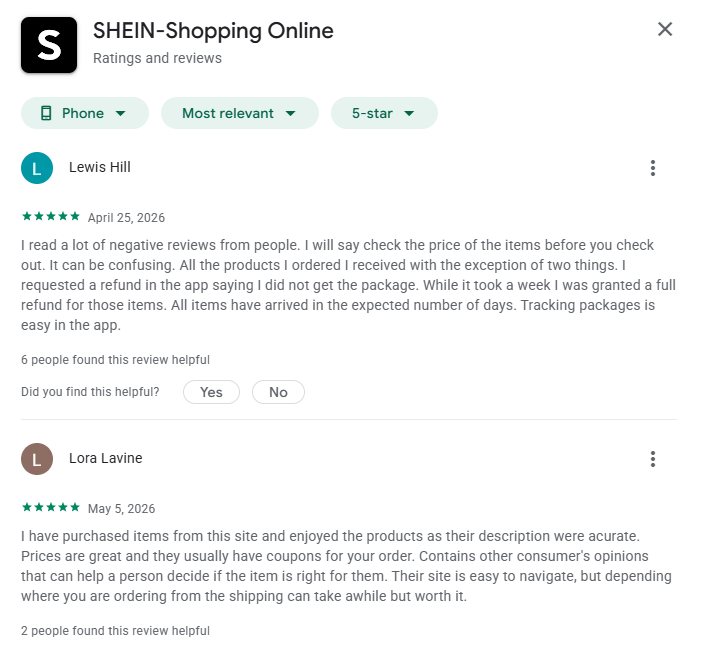
Many users mention that product descriptions are generally accurate and that prices are considered very competitive. The availability of coupons and user-generated reviews also helps shoppers make more informed decisions before purchasing.
Another commonly mentioned positive point is the usability of the app itself. Users describe the interface as easy to navigate, with a straightforward checkout process and helpful product information provided by other buyers.
Common Concerns Reported by Users
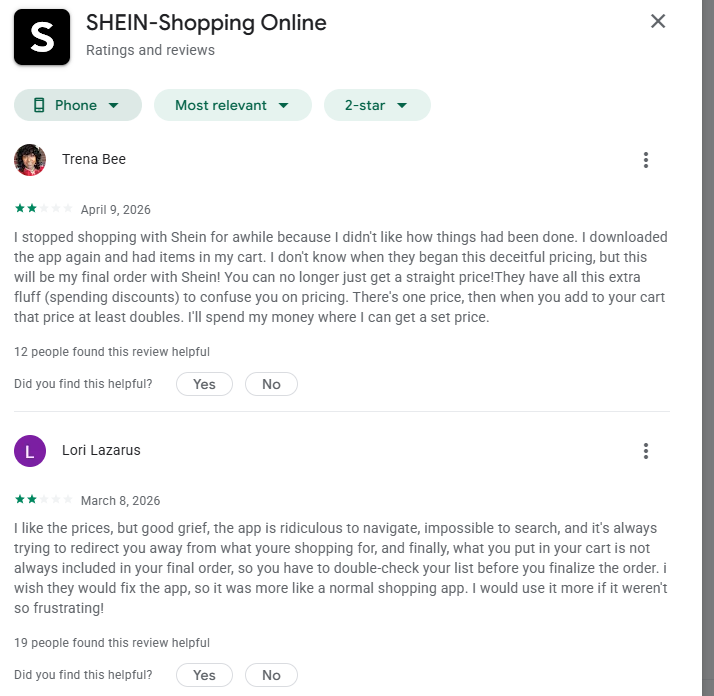
A recurring concern among users relates to pricing clarity during checkout. Some shoppers report that promotional discounts and bundled offers make the final price less straightforward than expected, leading to confusion at the payment stage.
Other feedback focuses on the overall shopping experience within the app. Users mention that heavy recommendation-driven navigation can make it difficult to stay focused on specific items, and some report the need to carefully review cart contents before completing an order.
While these issues are not experienced by all users, they appear frequently enough in reviews to suggest variability in the overall shopping experience.
Final Thoughts
Shein is not a perfect shopping platform, and it doesn’t try to be. It’s built for speed, variety, and low-cost experimentation. The experience is smooth and addictive in a very modern e-commerce way, but it comes with trade-offs that users should understand before relying on it heavily.
For some people, it’s just a casual browsing app. For others, it becomes a regular part of how they discover and test new styles. Either way, it’s worth approaching it with a clear understanding of both what it offers and what it doesn’t.